
Coating longevity analysis and renewal costs
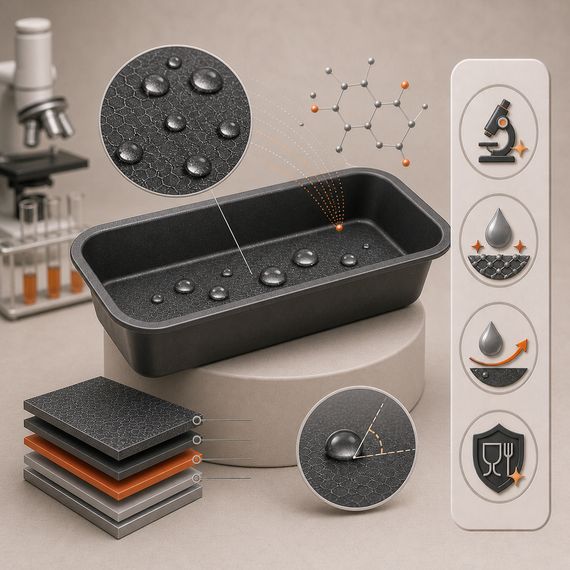
The same coating may remain in service for different lengths of time at two facilities. If daily production cycles, tool contact, cleaning routines, and baking conditions differ, a single service life stated in years is misleading. Longevity analysis relies on tracking the amount of use and changes in performance in the same record.
Track the number of pans awaiting refurbishment separately from usage records as well. Mixing equipment in active service with spare equipment makes it unclear how much a coating group has actually worked. Active usage information is as useful as coating age when planning orders. Do not count periods out of service as production cycles when comparing costs.
Establishing baseline data
Record the initial production conditions for a new or refurbished pan. Product release, the work required for cleaning, surface appearance, and equipment identification form the basis of this record. Comparing later findings against the same baseline helps avoid confusing recipe changes with coating wear.
The definition of a production cycle must be clear. One trip through an oven, one batch, and one shift are not the same measure. Choose a common recording unit for each equipment group. Add the date whenever the maintenance method changes; otherwise, the cause of a performance trend may remain unclear.
The limits of laboratory data
Accelerated wear or thermal cycling trials show changes under specific influences. Without field data, these results cannot establish a definite equivalent in months on an actual production line. Differences between sample geometry and the actual pan, along with stacking or tool effects absent from the test, must be assessed separately.
- Where and when non-stick performance changes.
- Whether cleaning takes longer.
- Whether there is body deformation or surface loss.
- Changes in maintenance, recipes, and thermal conditions.
How should economic life be assessed?
The coating purchase price is not the only cost item. Removal, refurbishment, shipping, spare equipment, cleaning labor, and production losses may also be included. Compare different options on the basis of the same amount of use. Identify which data were measured instead of presenting unrealized savings as a certain return.
The refurbishment threshold should not be determined by the calendar alone. Equipment with compromised surface integrity is set aside for quality review; body condition affects suitability for recoating. A planned maintenance interval and a decision on safe use are separate matters.
When requesting analysis from Powerpan, share the coating date, usage cycles, and maintenance history. Assess the data for the existing application instead of seeking a fixed service life based on a brand name or number of layers. The basis for the service-life assumption used in the quote, the pilot scope, and the refurbishment conditions should be clear.