
Interpreting an abrasion resistance result
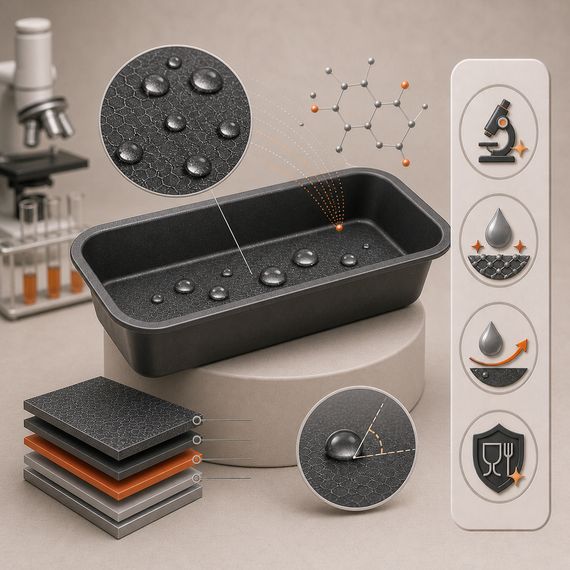
Abrasion resistance testing evaluates a surface under a specified form of mechanical exposure. The test method, contact conditions, sample and assessment criterion are part of the result. A reported value without that context does not establish how long a coating will last on a production component.
Connect the test with actual service
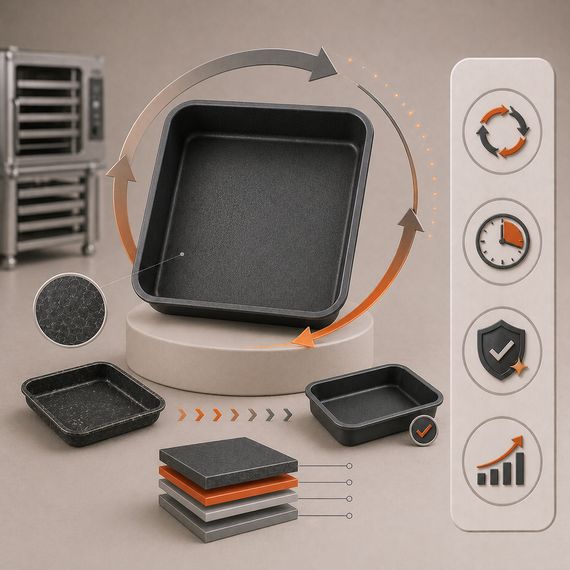
Describe the surfaces and materials that contact the coating during operation, cleaning and handling. Identify repeated sliding, impact or stacking contacts. A laboratory abrasion method may represent only part of those exposures.
Check the substrate, coating construction, preparation and starting condition of the test sample. Results obtained under different methods or acceptance criteria should not be ranked as though they were directly equivalent.
Use evidence without extending its scope
Agree what wear or damage matters for the application and how it will be inspected. A production trial can help relate specified tests to the actual component. Food-contact suitability and product release remain separate questions.
Include the operating and handling information with an enquiry. A useful proposal states the relevant inspection or test scope rather than assuming that a harder surface, thicker film or larger abrasion-test figure guarantees a fixed increase in equipment life.