
Coating stabilization: curing and process control
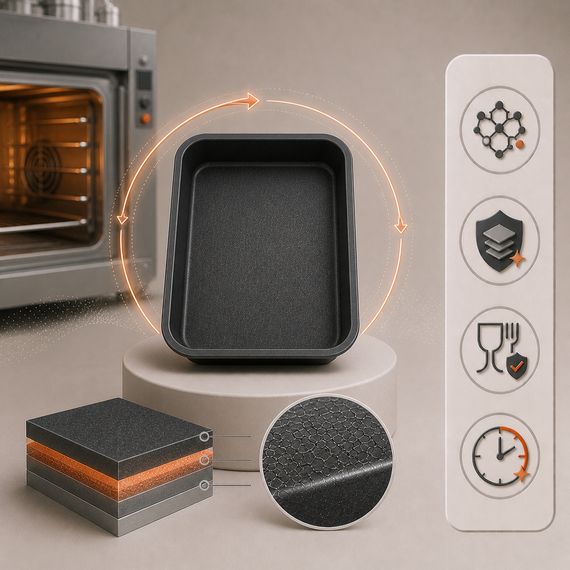
Coating stabilization can be considered as process controls intended to achieve consistent surface behavior after application. The term alone does not mean a common treatment for all materials or unlimited service life. Technical documentation should explain which property is intended to remain stable and under what conditions.
Using the same process recipe name for different products does not mean the same treatment is suitable. When part material, film structure, or load changes, include them in the change record. A stability assessment should make clear which product group is being compared. Later local interventions should not be presented as part of the original production conditions.
Assessing production stages together
Surface preparation, film distribution, treatment between coats, and thermal history are interconnected. Trying to compensate for a deviation at one stage only through longer curing or slower cooling may not be appropriate. Follow the selected system’s material instructions and link records to the same batch and part.
The same cross-linking explanation cannot be used for every polymer. Formulation behavior and film formation depend on the material. The term stabilization does not replace measurements demonstrating a specific mechanism. When assessing a technical result, read the method and assessment conditions together.
What is monitored for stability?
| Area | What to monitor |
|---|---|
| Film distribution | Differences between areas |
| Heat treatment | Part temperature and time records |
| Cooling | A transition suited to load and geometry |
| Initial use | Product release and surface appearance |
Final inspection should not rely only on gloss or color. Surface integrity and an appropriate adhesion assessment are planned according to system scope. The behavior after use of a sample accepted initially can be monitored separately. These two records answer different questions.
Maintaining conditions of use
A stable production process does not mean that the cleaner or thermal load used at the customer’s facility can be changed without limit. Communicate maintenance instructions and use limits to the production team. Add changes in tools or stacking arrangements to performance records. If peeling or flaking occurs, set the equipment aside for quality assessment.
Specify the equipment type, coating system, and observed change in your inquiry to Powerpan. Define the expected stability through product release, film integrity, or other clear criteria. Clarify the relationship between the test report, sample, and conditions of use. Long life or warranty coverage cannot be inferred from a technical term; where applicable, assess them separately through written commercial terms and the relevant evidence.