Special Bread Pans

(8 articles)

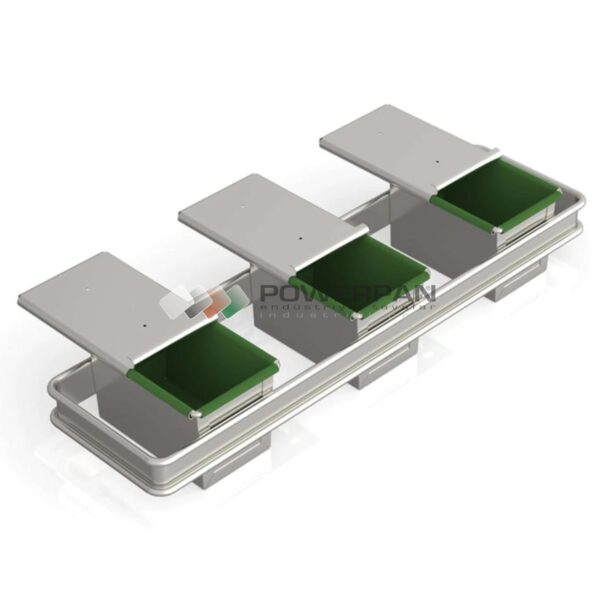
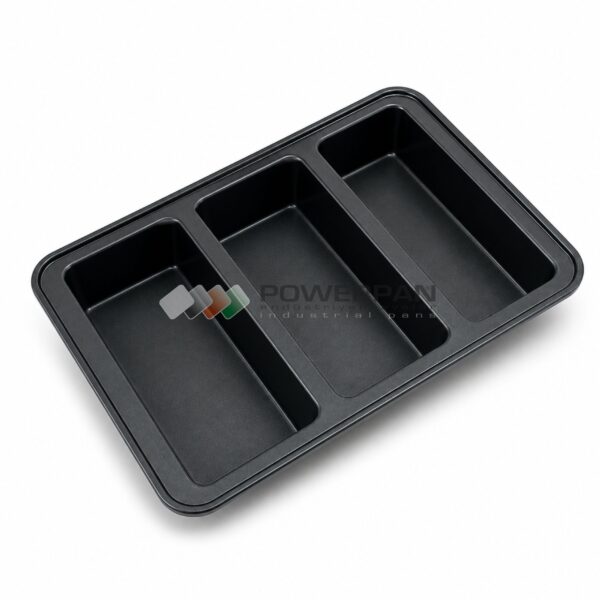
Triple bread pan: cavity geometry, support, and workflow

A triple bread pan combines three separate bread cavities on one carrier structure. Dough is placed in separate compartments; the...

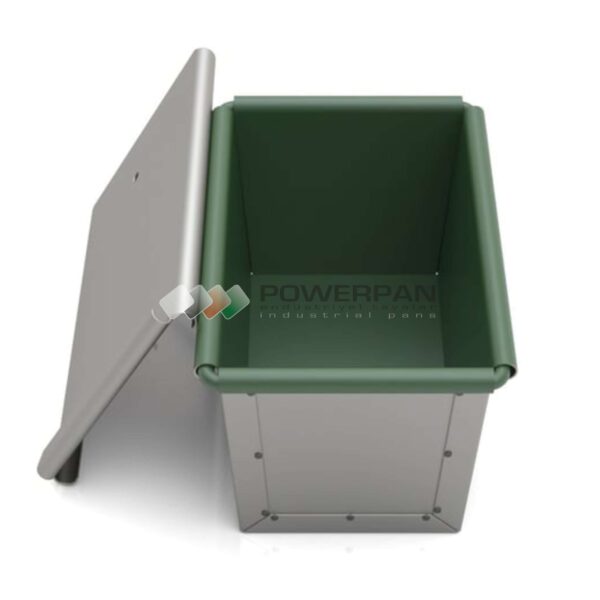
Single Trabzon bread pan: cross-section and recipe selection

Select a single Trabzon bread pan using the round mold’s cross-section and the actual recipe. The 2024 catalog lists this...

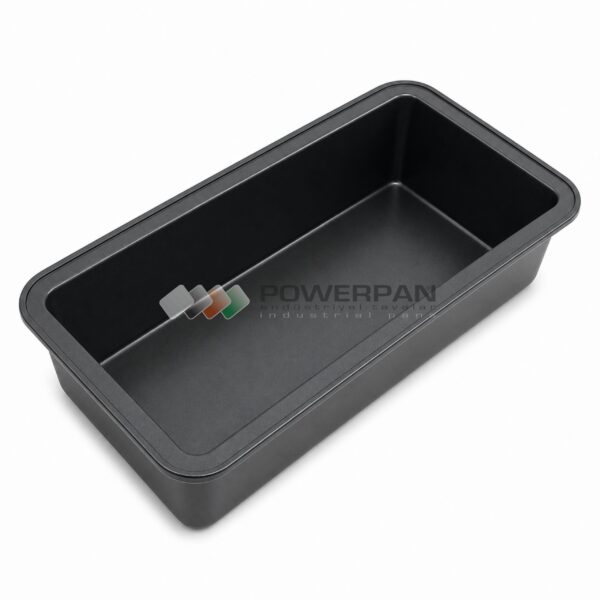
Single bread pan: portion, geometry, and workflow assessment

A single bread pan is single-compartment equipment considered for producing one loaf in one mold. Its rectangular form directs the...

Daisy bread pans: petal form and serving trials

A daisy bread pan is a shaped mold used to produce flower-shaped bread with petal-like projections around its perimeter. This...

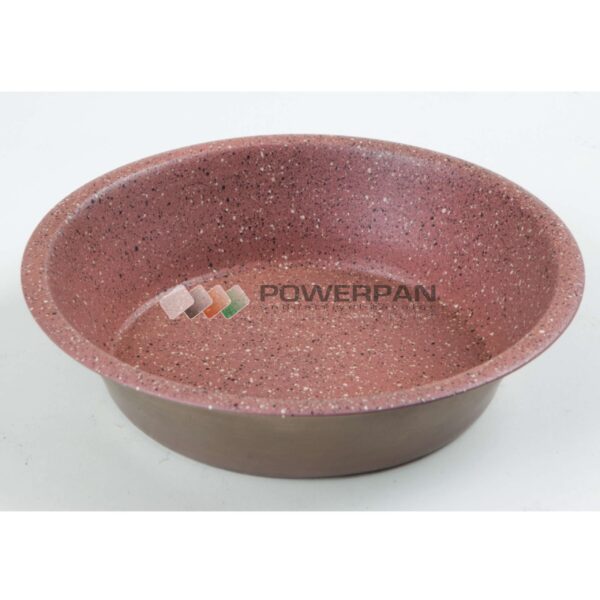
Cornbread pans: round form and recipe trials

In bread made with cornmeal, a round mold determines the area over which the dough spreads and the product’s base...

Village bread pans and large round molds

A village bread pan is considered for large round loaves. The mold supports the dough from below and at the...

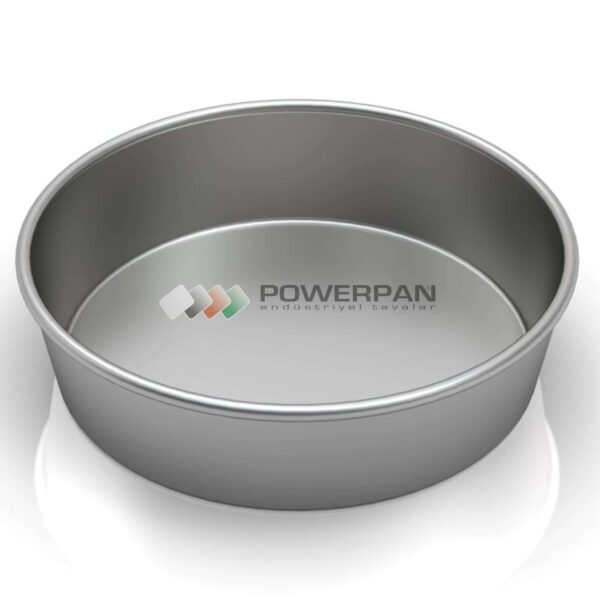
Poppy seed bread pan and oven conditions

A poppy seed bread pan is a round mold without a lid. It supports the dough from below and around...

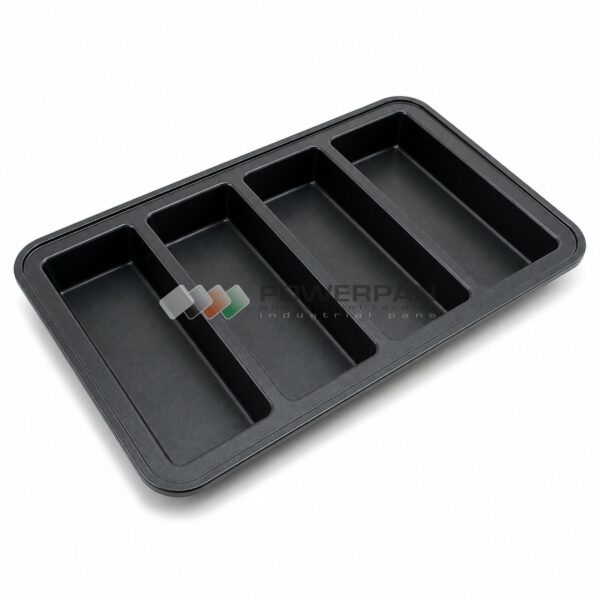
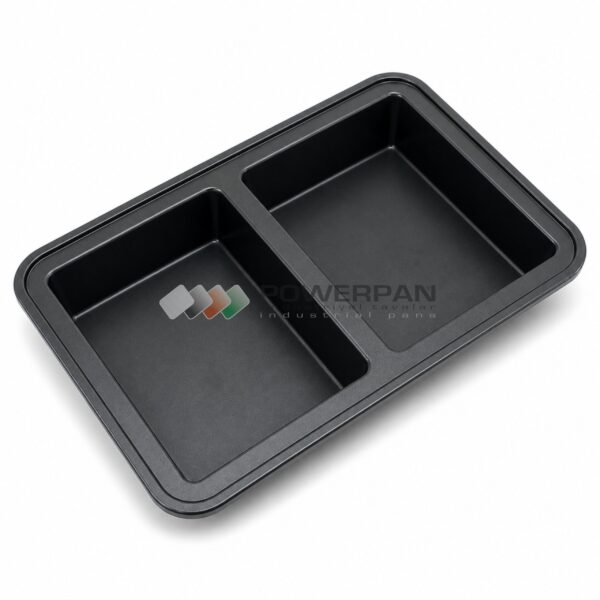
Double bread pans: two cavities on a shared frame

A double bread pan is a mold with two independent bread cavities on the same supporting structure. Two dough pieces...

Special bread pans address shapes and production methods that are not adequately described by a generic loaf pan. Regional breads, round loaves, and shaped bread assemblies may need different support even when their recipes share familiar ingredients.

Describe the actual bread

A regional name can cover variations in shape, size, and preparation. Provide a reference product, dimensions, dough weight, and loading method. Identify whether the pan should contain the dough, support a formed piece, or create a defined pattern.

Translate the product into a drawing

Specify cavity profile, depth, spacing, and the outer footprint. Rims and supports need to match the equipment. Detailed or unusual shapes should also be reviewed for release and access during cleaning.

  • Explain proofing and baking.
  • Describe the intended base and side profile.
  • Identify handling and demolding methods.
  • Include material, coating, and documentation requirements.

A coating is part of the design rather than a substitute for suitable geometry. Confirm feasibility and the proposed specification before assuming that a named traditional bread implies a standard pan. A representative trial may be useful where the product shape or release method needs evaluation.

Contact us for a project quotation

Tell us about your baking equipment or recoating requirements, including dimensions, quantities and operating conditions.