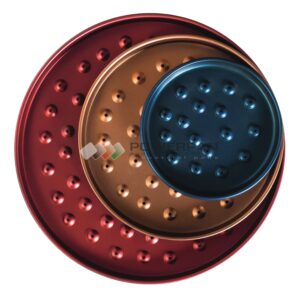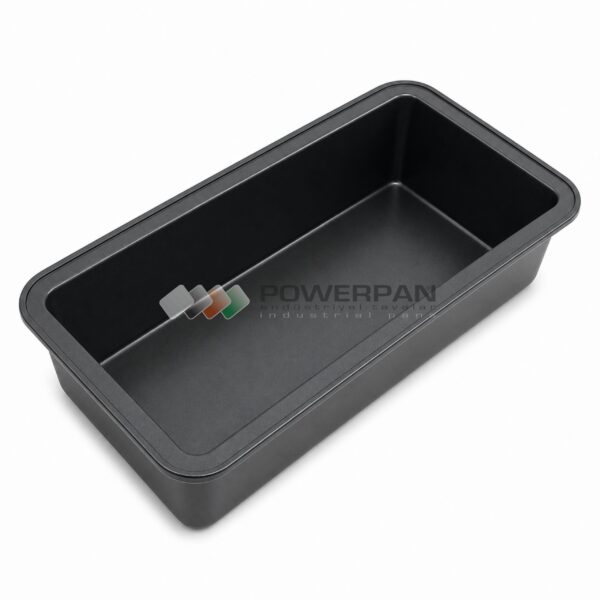
Select a single Trabzon bread pan using the round mold’s cross-section and the actual recipe. The 2024 catalog lists this product separately from the cornbread pan. The mold name does not require a particular flour blend. Share the target bread shape, dough weight, and production method together in a product request to Powerpan.
Clarify base shape and mold cross-section during selection. These details affect product contact with the metal surface and the removal method. Mold shape alone does not determine the finished bread’s crust, color, or crumb structure.
Recipe information matters
If wheat, corn, or other flour blends are used, include proportions and dough behavior in the assessment. Do not assume a standard recipe from a regional product name. Using different dough in the same mold requires separate consideration of coating selection and use trials.
Fermentation, the baking program, and removal timing affect the result. Keep these conditions defined when monitoring a new surface’s behavior. Do not infer exact finished product weight or volume from mold diameter.
Surface and body checks
Inspect rounded edge transitions and the base for coating distribution. A new coating does not automatically correct impact damage or distortion in the base metal. Assess corrosion, cracks, and the old layer before refurbishing a used body.
- Mold cross-section and target product shape.
- Recipe, dough weight, and oven program.
- Material, dimensions, and quantity requirements.
- Release agent, removal, and cleaning method.
Select the coating system according to actual conditions of use. A brand name does not mean a fixed temperature or service-life guarantee. Assess food contact scope separately through the relevant documents. Do not assume automatic suitability for open-flame use.
For a round body, specify opening dimensions, base dimensions, and depth separately. If curvature changes the cross-section, a single diameter does not describe the entire form. For a facility seeking to reproduce an existing product, these cross-section details and use-trial results matter alongside the mold name.
During first use, observe the product base, edge, and residues left on the surface separately. Do not use hard scrapers for cleaning, and protect the internal surface during stacking. Remove molds showing layer separation from production for inspection. Define quote scope and delivery schedule after confirming the current product drawing and options.