
Baking tray reuse solutions and transition planning
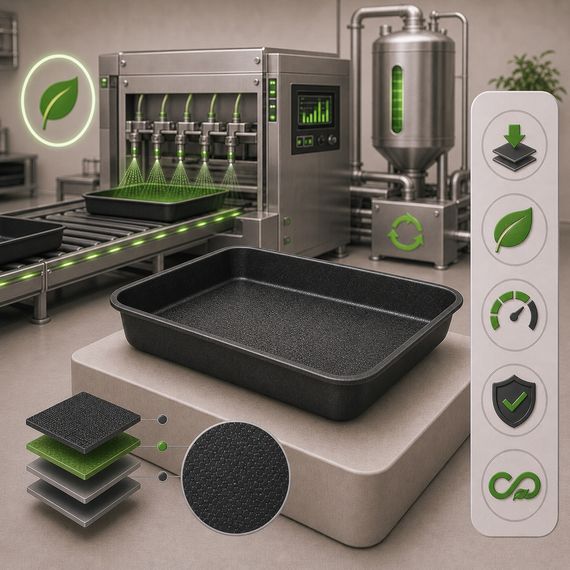
Baking tray reuse solutions concern how equipment is cleaned, protected, and refurbished as much as coating selection. Keeping a sound body in service may be an option, but not every tray should be considered refurbishable an unlimited number of times. Metal condition and line fit must be evaluated at each maintenance period.
Test the transition away from consumables separately
For a manufacturer using parchment paper or mold release oil, the new surface system should be tested with the existing recipe. Oil’s function in the product is distinct from its use as a surface release agent. Eliminating paper or oil entirely is not an automatic result of applying a nonstick coating.
Record product release, base appearance, and subsequent cleaning requirements during the trial. Keeping the recipe, oven program, and dough quantity the same makes the effect of the surface change clearer. Looking only at reduced consumable use while product quality deteriorates is not a sound assessment of the transition.
Records needed for fleet management
- Tray type, body material, and role within the line
- Coating and refurbishment dates
- Cleaning method and tools used
- Damage, rejection, and return-to-production records
This information prevents reuse decisions from relying solely on visual inspection. Warping or cracks cannot be corrected by coating. Peeling trays should be set aside for quality review. If a group contains parts with different histories, refurbishment batches should be formed accordingly.
The economic and environmental calculation for the transition
Calculate coating, shipping, cleaning, and refurbishment expenses together. If paper or oil consumption decreases, keep quantity records. Retaining the metal body does not by itself prove that all environmental impacts of refurbishment are low. Energy, chemical, and transportation inputs should also be included in the comparison.
When discussing the work with Powerpan, share current consumable use, tray details, and the intended operating arrangement. System selection rests on technical documentation and food-contact requirements. Delivery and batch planning are clarified after inspection. Planning acceptance of the first batch, communication of maintenance instructions to the operating team, and continued monitoring together turns reuse from a single coating order into a more manageable equipment program.
The transition plan should not end with the first successful production run. The behavior of different operating groups during washing and handling should also be monitored. Consumable records must distinguish quantities purchased from quantities used. A reduction in warehouse stock alone does not show that production uses fewer consumables; the comparison should cover the same period and accepted production output.