
Tracking long-term coating performance
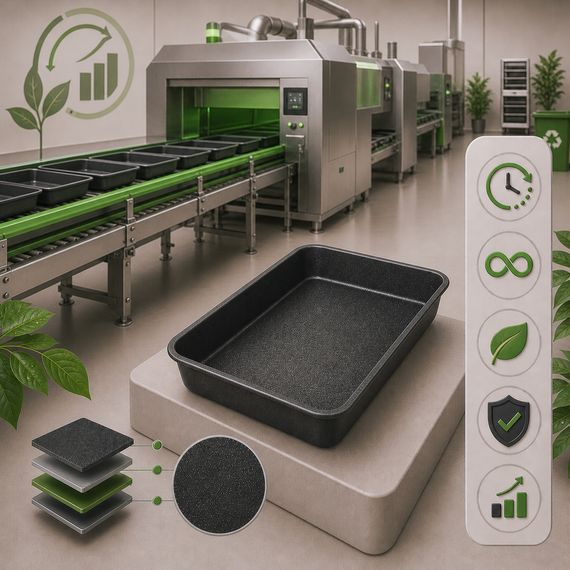
Long-term coating performance is not measured by how new a surface looks. Product release, material left in the mold, cleaning requirements, and surface integrity must be monitored throughout use. Changes in these indicators can only be interpreted correctly if production conditions are also recorded.
Create a baseline record
Perform an acceptance trial with the actual product on a new or refurbished tray. Add the recipe, baking program, tray position, and removal method to the record. Subsequent assessments are compared with this baseline. Observations made with different products or loads should not be treated as part of the same performance series.
| Observation | Information to record alongside it |
|---|---|
| Product sticking | Product, tray/cavity, and removal conditions |
| Cleaning requirements | Method used and residue type |
| Product surface | Oven settings and tray placement |
| Coating damage | Damaged area and mechanical contact |
An increase in cleaning time may relate to the coating, but changes in chemicals or dried residue should also be examined. Differences in product color can be affected by oven loading and temperature distribution. Classifying every change as the surface reaching the end of its life can lead to premature or incorrect refurbishment decisions.
Define maintenance thresholds
The facility should define its own acceptance and maintenance criteria for its product. There is no single cycle count, interval in months, or sticking limit for every facility. When peeling or blistering is observed, equipment should be removed from service for quality review. Functional performance tracking is not a reason to disregard clear surface damage.
How should systems be compared?
Share operating history and records when discussing coating selection with Powerpan. Layer count or brand name alone is not evidence of sustained performance. The surfaces being compared should be monitored under the same product, cleaning, and handling conditions. Review trial results alongside technical and food-contact documentation.
Keeping tray ID, refurbishment date, and surface inspection together allows the next batch plan to be based on actual data. Spare tray requirements and maintenance downtime should be included in that plan. Recorded operating conditions, rather than a fixed lifetime guarantee, clarify which equipment needs inspection and when.
Records should use the same definitions across shifts. If one team records a product remaining entirely in the mold as sticking, while another records a small piece tearing off the base as sticking, the results are not comparable. Clarify observation definitions and assessment methods, and match surface inspection with product checks under the same tray ID. This arrangement makes differences in interpretation during maintenance decisions visible.