
An approach to waste reduction in coating processes
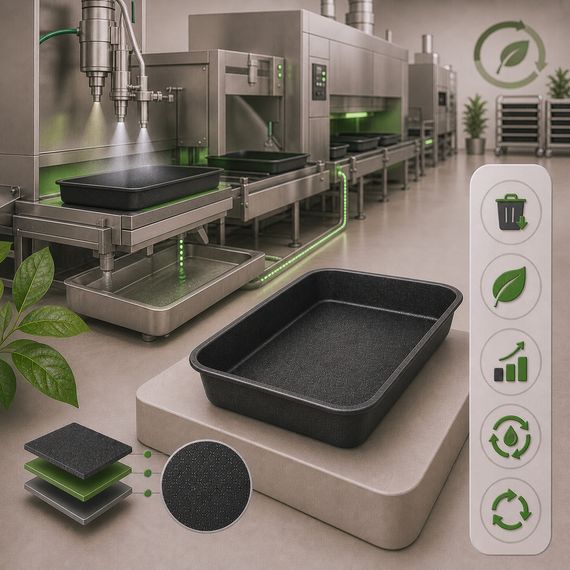
Reducing waste in coating processes first requires identifying which waste arises at each stage. Old coating removal, surface preparation, application, and inspection do not have the same waste streams. Changes in total waste quantity should be evaluated alongside production volume.
Track process stages separately
Removing an old surface can generate coating residues and cleaning waste; preparation can generate abrasive media, metal particles, or spent chemicals. Material that does not reach the target surface during spraying is tracked separately. If rinsing is involved, both water and pollutant load should be considered.
Without process records, no claim should be made about which of these streams Powerpan manages or how it manages them. The presence of an enclosed booth, recovery system, exhaust controls, or treatment system cannot be inferred from general industry practice alone. When evaluating the service, ask about the relevant process information and scope of records.
Rework matters as much as waste quantity
Inadequate coating application may require stripping and application again. Waste reduction should therefore not be treated as a goal of eliminating inspection steps or reducing the required film thickness. Material consumption per accepted part can be tracked alongside rejected or reworked parts.
- Record waste by the stage and type in which it arises.
- Match material inputs with accepted production quantities.
- Classify reasons for rework separately.
- Distinguish application losses from body rejection.
Refurbishment and environmental comparison
Reusing a sound tray body is an option that may reduce equipment replacement needs. However, the energy, chemicals, and transportation used in refurbishment are also part of the calculation. A net environmental benefit or waste reduction rate should not be stated definitively without explaining the scope of the comparison.
During technical discussions with Powerpan, share the tray’s current condition, stripping requirements, and new coating scope. Sorting bodies beforehand may help prevent processing parts unsuitable for refurbishment. If an environmental management certificate is available, review its scope; do not use it as evidence that a specific quantity of waste has been reduced. A waste reduction assessment becomes meaningful through records that show baseline data, production volume, and application quality together.
If spent abrasive media, old coating residue, and application waste are recorded under the same heading, the cause of loss becomes unclear. Knowing which part group generated the waste allows the effect of geometry or old surface condition to be examined separately. If waste quantities decrease while rejected part counts rise, the result should not be considered a successful process improvement.