When selecting a toast and panini pan, separate two operations: producing sandwich bread from dough and cooking a prepared sandwich in a press or sandwich toaster. A bread mold directs dough shape; a press plate applies heat and pressure to the bread. The properties of one cannot automatically be transferred to the other.
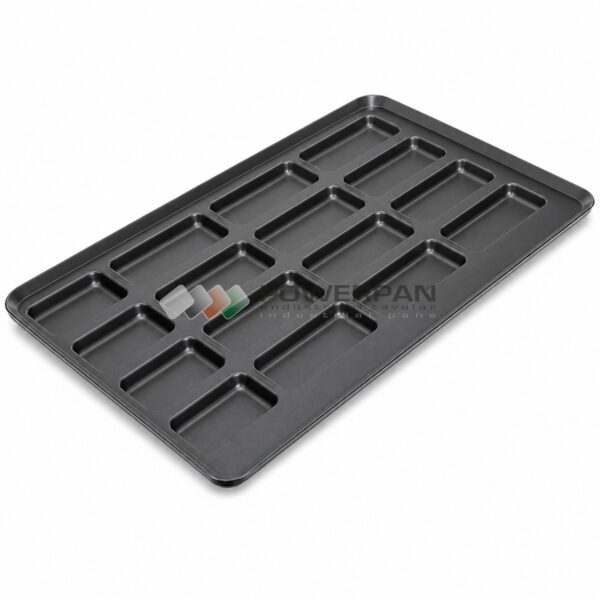
Powerpan’s 2024 catalog includes square and rectangular panini bread pans. Their presence does not establish a separate dual-function toast-and-panini press pan. Selection must start with the production stage in which the equipment will be used.
Form and layout in bread production
A cavity’s base, sidewall, and corner transitions form the dough contact area. Opening dimensions and base dimensions may differ. External dimensions are used to assess oven placement, and internal cross-section to assess target bread shape. Do not infer an exact cavity count or daily production capacity from the product name.
Match dough weight, fermentation, and the baking program to mold geometry. The same form can produce different heights and textures with different recipes. In trials, observe bread suitability for the planned filling and cutting method as well as product release.
Use in a press or sandwich toaster
For a sandwich prepared with baked bread, follow the appliance’s own plate and accessory arrangement. An oven pan fitting inside the appliance is insufficient for use under pressure or on a direct heat source. Assess mounting, movement clearance, and surface temperature together with appliance requirements.
A flat or ribbed plate contacts different parts of the bread. A striped appearance alone does not mean better cooking. Assess upper plate pressure and lower surface contact separately as well. These effects cannot be presented as features of a separate bread mold.
- The stage: baking dough or heating a prepared sandwich.
- Target bread cross-section, dough weight, and filling arrangement.
- Technical requirements of the oven or press.
- Removal, release agent, and cleaning conditions.
Surface and cleaning
Overflowing cheese and sauce in press use and dough residues in bread production create different cleaning needs. Base the coating assessment on actual contact conditions. General PTFE information does not approve temperature or open-flame use for every appliance; use the selected system’s limits.
When refurbishing used equipment, inspect the metal body and existing surface separately. Hard scraping can damage the coating. Remove equipment showing layer separation from use for assessment. Do not calculate shared use’s space or cost effects by assuming one pan replaces two appliances.