When selecting a PTFE-coated cake mold, assess both how the product releases and the shape the mold creates. A PTFE-based coating is considered to help product removal from the metal surface. However, the polymer name alone does not establish the same result with every recipe or suitability for all temperatures.
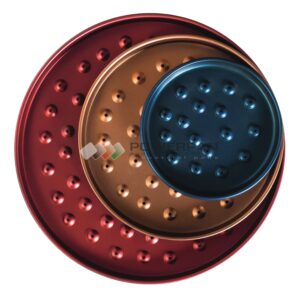
In a request to Powerpan, share the actual dimensions and material of the round, angular, or decorative mold. A layer-cake base and a deeply patterned cake mold have different contact structures. Consider internal corners, walls, and fine relief details separately in the application plan.
PTFE and a coating system are not the same information
The applied surface may contain a primer and other components. Assess use limits and contact suitability for the complete system. General PTFE temperature or friction values must not be used to infer a definite product release result. Layer count does not establish a fixed service life in years either.
Food contact documents must match product identity and intended conditions of use. Management system certification or raw material information does not automatically approve every use of the finished surface. PFOA-free does not mean PFAS-free; BfR’s explanation identifies PTFE as part of the PFAS group.
Recipe and removal
Sugar, egg, and fat content and the waiting period after baking affect surface behavior. Include the release agent and removal tool in the technical assessment. Do not assume that a new coating will eliminate greasing. A trial using the same recipe provides a clearer comparison.
- Mold shape, material, and an internal surface photograph.
- Recipe, baking program, and removal method.
- Release agent and cleaning conditions.
- New product or refurbishment scope.
During refurbishment, inspect the metal body after removing the old layer. A new surface does not automatically repair damaged patterns, cracks, or corrosion. Required repairs and coating suitability are separate decisions.
Removing a whole cake from a mold and preparing layers inside it are different uses. Include information about the stage at which the product contacts the metal surface. Do not assume that a mold intended for cold use is suitable for baking under the same conditions; define the intended application separately.
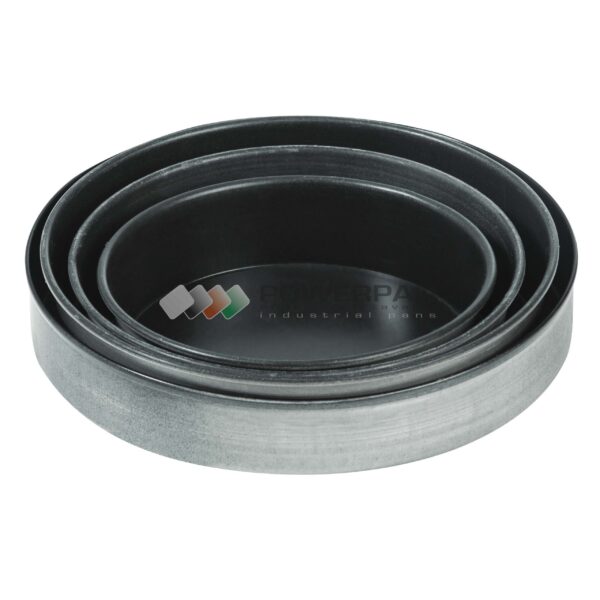
Do not cut with a knife inside the mold or use hard scrapers. Reduce rubbing against internal surfaces during stacking. Remove molds showing peeling or blistering from production for inspection. Clarify current system options, inspection scope, and delivery plan after product assessment.