
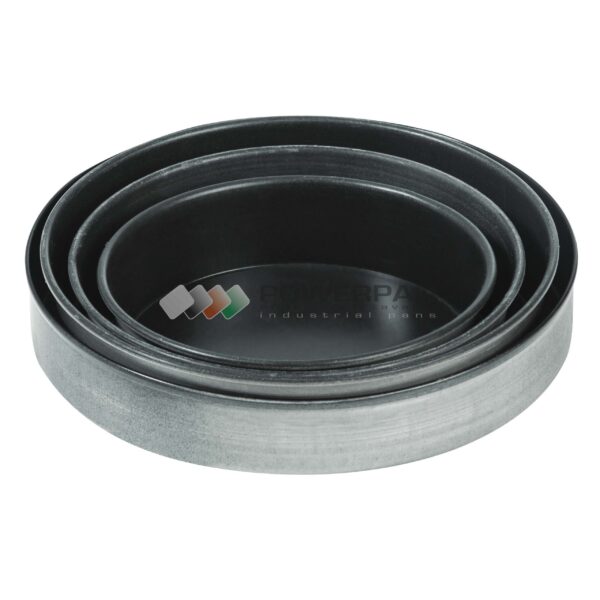
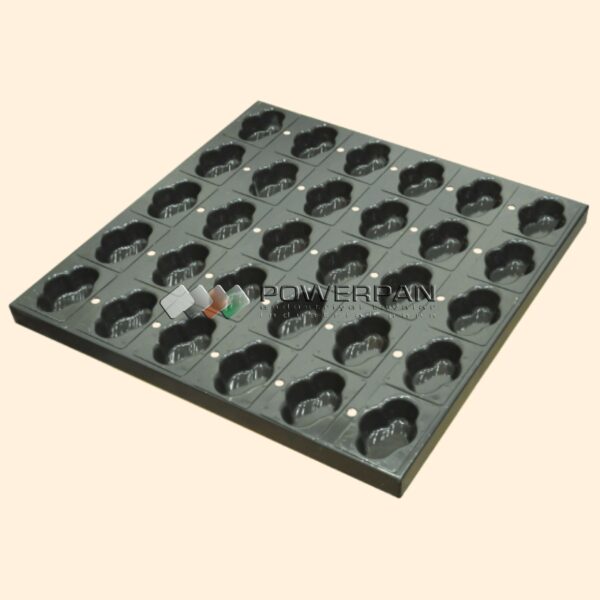
A custom cake mold starts with a product shape that needs to be translated into workable equipment. The design must allow filling, baking, release, and cleaning, not simply reproduce a decorative outline.
Describe the product in section
Provide drawings or a reference showing depth, wall transitions, recesses, and fine detail. Include batter and fill quantity. A complex shape may need review for access and release before tooling or construction can be considered.
Keep equipment requirements visible
The mold’s external footprint, supports, and cavity arrangement need to suit racks and handling. Identify which details are essential to the product and which could change if feasibility requires it. A concept image is not confirmation that every feature can be manufactured.
- Describe baking, cooling, and demolding.
- Identify the proposed material and surface system.
- Include cleaning and food-contact evidence requirements.
- Confirm permission to use any branded design.
Agree a drawing revision and the criteria for reviewing a sample or trial where applicable. Coating selection is part of the design, not a guarantee of release from every geometry. Feasibility, quantities, and commercial arrangements need confirmation for the actual project.