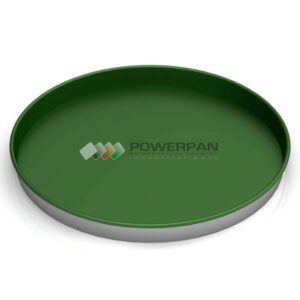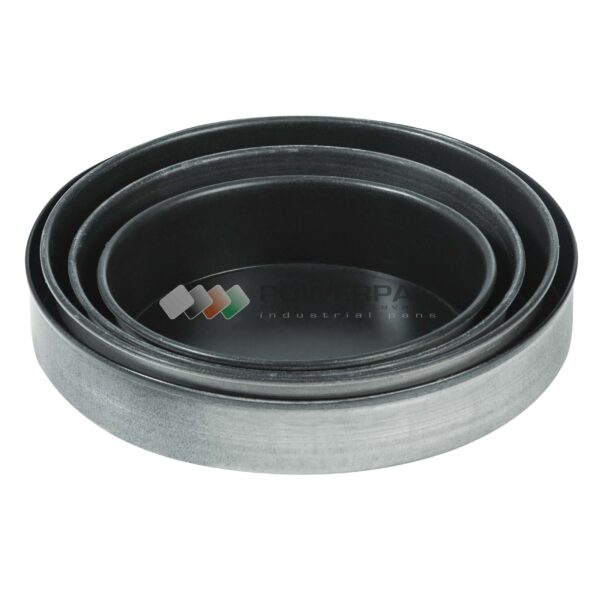
A round cake mold is selected for baking circular cake and sponge layers used in cake assembly. Assess the flat base, sidewall shape, and target layer height together. Two molds that appear to have the same diameter may not suit the same production arrangement if internal depth or base structure differs.
Diameter and depth are separate choices
Diameter defines the cake layer’s horizontal size; depth is considered together with the recipe and filling plan. Portion count should not be calculated from mold diameter alone. Total cake height, layer count, and the facility’s slicing standard also affect serving plans.
A facility producing different cake sizes can record each mold’s internal dimensions and identity. If layers of the same size are needed, check that molds match one another. Selecting different diameters for tiered assembly also belongs in the production plan; mold selection does not replace assessment of the cake support system.
Fixed and removable bases
| Base structure | Point to assess |
|---|---|
| Fixed base | How the product releases from the sidewall and base. |
| Removable base | Base seating in the body, joint cleaning, and product transfer. |
A removable base and a springform body are not the same mechanism. Explain the required structure in the order through a drawing or sample, not merely the phrase easy removal. Trial how the joint behaves with fluid batter separately. Confirm whether a particular mechanism is available in the current product.
Assessing sponge cake release
Monitor recipe, filling, and cooling arrangements together with release from the mold. If base paper or greasing will be used, establish compatibility with the coating instructions and production method. It is not appropriate to specify the same filling ratio, baking time, or first-use heating for every mold.
During trials, check layer base integrity, side appearance, and residues left in the mold. Observed nonstick performance is not evidence of food contact suitability or a particular service life. Assess the coating system using its own technical file and actual baking conditions.
Maintenance and technical requests
Do not force the mold’s sidewall or base with a cutting tool. Clean and dry removable part joints according to the maintenance instructions. Prevent surface rubbing and mixing up bases during stacking. Remove molds showing coating separation from use for quality review.
Send Powerpan the target cake form, required internal diameter and depth, desired base structure, and quantity. For refurbishment of an existing mold, also share body damage and service history. Determine current product structure, coating scope, and delivery terms during the technical discussion.