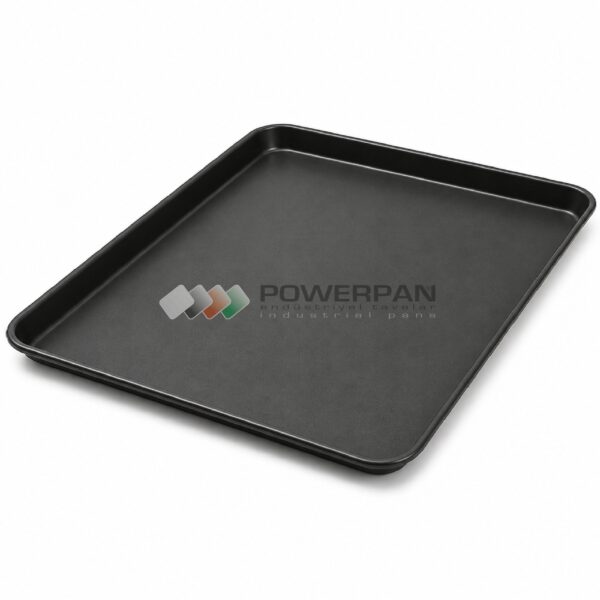
A square pizza pan is used to make pizza in a cooking area with corners. Thin-crust products and thick pan pizzas do not require the same rim and dough load. Define the choice by target dough height, edge texture, and serving cuts before focusing on a pizza style’s name.
The base and rim work together
Internal side dimensions determine usable base area. Evaluate rim height together with dough expansion and topping placement. If cheese is intended to contact the edge, observe release and cleaning behavior in a sample. Mold shape does not guarantee a particular browning result or caramelized edge.
Corner and center slices contain different amounts of outer crust. This difference can be considered in the cutting layout and serving target. Cutting pieces of equal area does not establish that every slice will weigh the same. Dough and topping distribution must also be checked.
Oven placement and temperature
A square pan fitting closely into rack space does not mean required airflow and working gaps can be eliminated. Examine overall dimensions, rim profile, and the oven opening together. Include handling of a loaded pan and removal of the baked product in the acceptance trial.
Match the coating to the pizza oven’s actual operating conditions. BfR’s PTFE guidance warns against overheating. This general information does not verify that a particular coating is suitable for every pizza oven or open-flame use.
- Specify the target crust thickness and rim height.
- Share the dough load and toppings that reach the edge.
- Describe the oven type, operating program, and placement area.
- Record corners, the center of the base, and release from the surface in the sample.
Keep the recipe and oven position constant during comparisons. If greasing or the program changes at the same time as the pan, it becomes difficult to attribute results solely to geometry. The required criteria can be defined in advance.
Cutting and care
Using a pizza cutter or knife on a coated base can damage the surface. Plan cutting on a separate suitable surface. Remove cheese, fat, and dough residue from the cooled pan with appropriate tools; segregate equipment with lifting coating. Including the recipe and oven conditions alongside the square shape in a Powerpan request provides the right basis for surface selection.