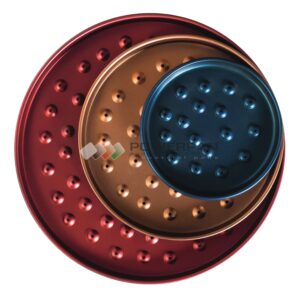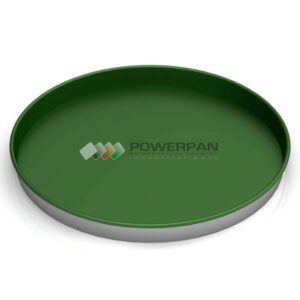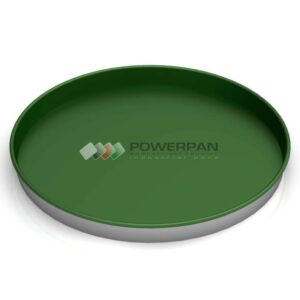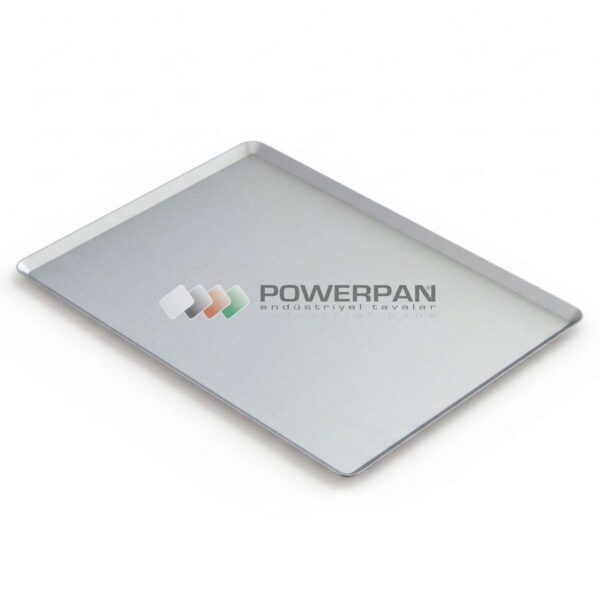
A flat Italian baking tray is considered for baking focaccia and flatbreads on a solid base. The absence of holes in the base prevents dough and oil from passing through openings. This design difference does not mean every recipe will produce the same crust or baking time.
Define the area available for dough spread
Dough covering the entire tray and individually placed portions create different interior-area and edge requirements. Evaluate dough height and the area needed for product expansion during baking separately from overall dimensions. Examine side height for overflow of oil or other ingredients and removal of the baked product.
Not all recipes called focaccia are the same. Dough quantity, toppings, and serving cuts should be defined through the facility’s product. Names such as schiacciata should not be treated as a single technical recipe either. Mold selection is based more on intended product shape than the name.
Deciding between solid and perforated surfaces
In production where oil remains at the base, a solid surface and perforated base may give different results. Compare dough support, surface release, and base color with your own recipe. Do not generalize that either perforated or solid trays are superior for every Italian bread.
- Specify whether the tray will hold one full-size product or separate portions.
- Explain dough load and edge-clearance needs.
- Distinguish greasing from oil used in the recipe.
- Share oven rail, product removal, and cutting methods.
- Record baking at the center and corners in the sample.
Cutting and cleaning arrangements
A cutting knife contacting a coated base can damage the surface. Plan portioning appropriately for the selected surface. A release coating does not show that oil in the recipe can automatically be reduced; evaluate that change separately through a product trial.
Remove oil and dough residue from the cooled tray with a suitable cleaner and soft tools. Check corner buildup and body flatness. Presenting dough shape, oil use, and oven conditions together in a Powerpan request allows suitability of the solid-base Italian tray to be discussed through specific production needs.