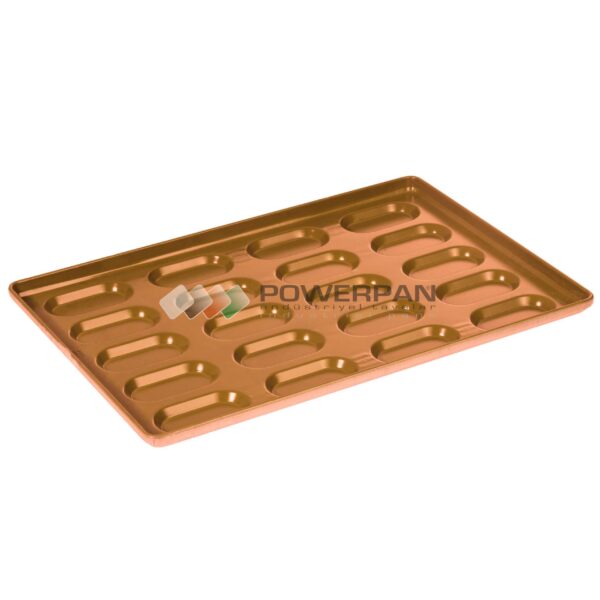
A small sandwich bread pan is considered for producing snack-sized bread in square or rectangular cavities. A single-serving or small-serving target must be defined alongside the mold’s technical dimensions. The term children’s menu does not mean the same portion suits every child; the equipment’s function is to control bread shape.
Square and rectangular cavities
A square cavity is considered to support a loaf with equal sides, while a rectangular cavity supports a longer serving format. The two shapes may not produce the same height or cutting result with the same dough load. Run sample trials based on target finished dimensions and serving method.
The area available for filling is not just a matter of bread length. Cutting height and the thickness of the bottom portion matter too. The production request can explain whether the small loaf will be served whole or divided. Check packaging and serving containers with the actual finished product.
Filling in multi-cavity production
Examine cavity count, overall tray area, and center spacing together. Placing equal dough quantities in each cavity makes the baking trial comparable. More cavities do not automatically mean less waste or faster service.
- Specify square or rectangular cavities.
- Define internal dimensions and target finished loaf height.
- Share dough, filling, and proofing methods.
- Record corners, the base, and release in the sample.
- Test cutting and filling placement in the serving arrangement.
Check the remaining gaps between products after proofing. If different small sandwich sizes will be made in the same production operation, assess each separately. Fill quantities and programs found suitable for one size should not be transferred directly to another cavity geometry.
Surface and daily care
Select the coating system based on dough ingredients and operating conditions. The system name does not mean greasing will never be needed or that it will provide a particular number of service years. Clarify oven and cleaning limits through technical information.
Remove residue from corners and cavity bottoms with suitable soft tools; do not use metal scrapers. Segregate pans with lifting coating or body deformation. Including product dimensions, serving arrangements, and production details alongside the snack-sized description in a Powerpan request allows the small-cavity pan to be assessed against specific needs.