
Controlled chemical use in coating processes
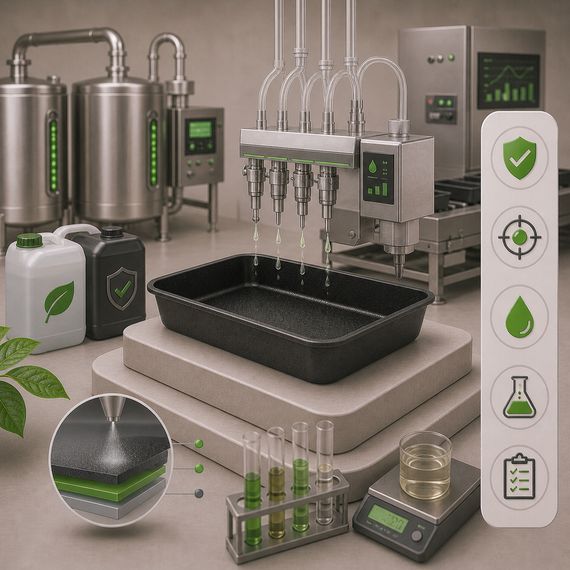
Controlled chemical use requires knowing why substances are used in the coating process and under what conditions. A surface cleaner, coating material, and equipment cleaner are not the same product. Using a small quantity does not mean that all of a chemical’s risks have been eliminated.
Match the chemical inventory to the operation
Keep the product name, supplier, technical data sheet, and safety data sheet together. Record which substance is used at which stage. When a product changes, review its usage and cleaning conditions, not just its trade name. Do not apply the previous product’s instructions to a material with a similar name.
For surface cleaning, assess the removal of grease and residue; for coating application, assess system preparation and application. Chemical quantity, contact time, and process conditions depend on the technical instructions. Increasing concentration by trial and error or mixing different cleaners must not be considered part of a controlled process.
Monitor efficiency and quality together
- Link chemical consumption to the part group and operation.
- Check surface acceptance and remaining contaminants.
- Record reasons for rework and rejection separately.
- Separate used materials and waste streams.
If chemical consumption decreases but surface preparation is inadequate, the result is not an improvement. Consumption per accepted part can provide a different indicator from total quantity. However, different geometries or different old coatings must not be compared against the same consumption target.
Food contact and customer cleaning
Review the coating formulation’s food contact file separately from the process chemical’s safety data sheet. A PFOA-free declaration does not, by itself, address all chemical compliance issues. The customer’s detergents and sanitation chemicals must also be assessed for compatibility with the surface system.
In a technical discussion with Powerpan, share the pan material, existing surface, and planned washing program. Do not present the facility’s chemical use procedures or waste practices as brand attributes without verified information. Dosing, safe working practices, and waste management must follow expert instructions. Stripping and surface application must be carried out under professional process conditions appropriate to the selected system.
Chemical consumption records must not be limited to quantities purchased. Distinguish quantities remaining in storage, used in application, and becoming waste. Buying less during one period does not show that production used less. Records tracked against the same part group and accepted quantity allow process changes to be assessed together with technical quality.