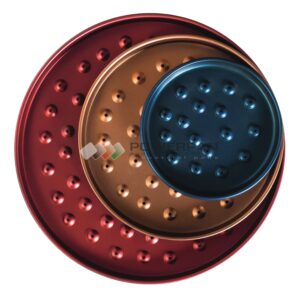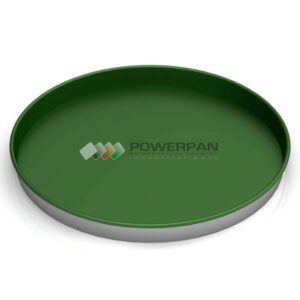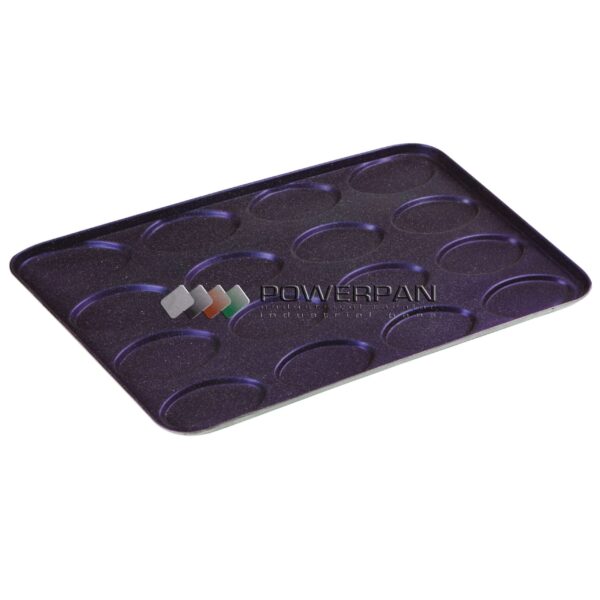
A plump sandwich bun pan is assessed together with the target bread’s cross-section and filling arrangement. The plump product name in the 2024 catalog does not imply a mandatory round-cavity standard. It provides a form different from an angular sandwich loaf mold; this cannot be said to be more suitable for every sandwich type. Make the selection together with filling and cutting methods.
In a product request to Powerpan, share target bread length, dough weight, and cross-section. The external dimensions of a multicavity pan affect oven layout, while cavity geometry affects dough contact area. A regional or classic product name alone does not establish a standard recipe or dimensions.
Differences between round and angular forms
Round and rectangular bread require different presentation and cutting arrangements. Assess the area available for filling and the product height. The target product, rather than sales volume, determines which form to select first.
| Selection topic | Information to assess |
|---|---|
| Product shape | Round or angular cross-section |
| Portion | Actual dough weight |
| Filling | Cutting and serving arrangements |
| Production | Oven, layout, and removal |
Dough recipe and fermentation affect the finished shape. The same cavity can produce different results with different dough weights. Do not infer exact baked weight or volume from pan dimensions. Conduct the first trial with the actual recipe and program.
Surface system and maintenance
Consider coating selection alongside operating temperature, release agent, and cleaning method. Assess technical system limits and food contact scope through relevant documents. A result with one recipe cannot automatically be transferred to another dough group.
If sticking or wear appears at cavity edges, inspect contact from the removal method. Hard scraping and cutting inside cavities can damage the coating. Reduce internal surfaces rubbing during stacking.
If the filling slit will be horizontal or another shape, include the target cross-section in selection. Cavity shape is not the only determinant of fillable area; product height and baking results matter too. Initial-use assessment can cover the planned cutting and serving method as well as bread release from the pan.
Check base metal suitability before refurbishing a used pan. If peeling or blistering occurs, remove the pan from production for inspection. Confirm current model dimensions, cavity count, and coating options before ordering. Define quote scope, inspection requirements, and delivery plan using this information.