
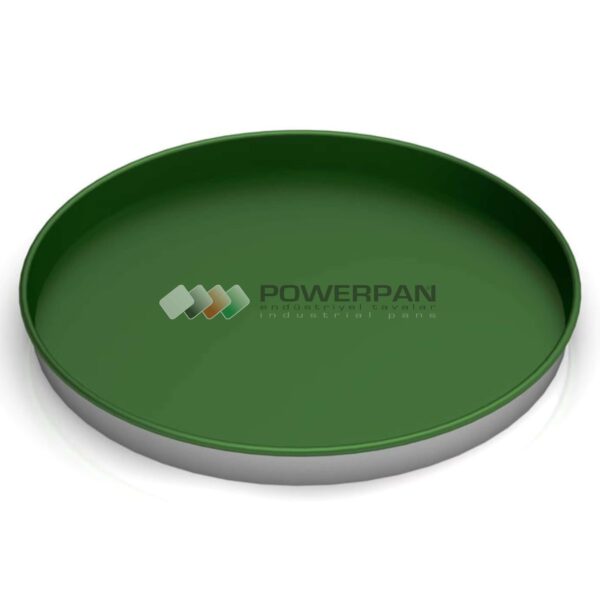
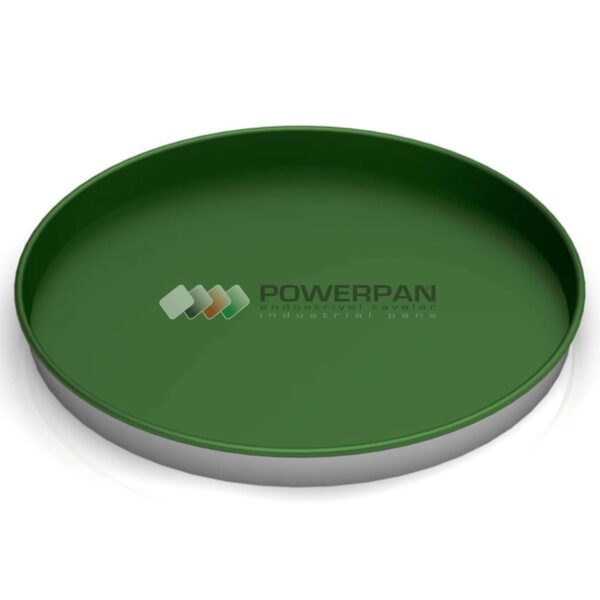
Pizza trays need to suit both the pizza and the way it is baked, handled, and served. Diameter or footprint is only one part of the specification; base construction, rim, and surface contact also matter.
Choose geometry around the product
Describe dough load, intended thickness, toppings, and edge profile. A shallow round tray and a deeper rectangular pan support different arrangements. A style name should not be used in place of those details.
Include the work after baking
Explain whether pizza is removed immediately, held briefly, cut, or served in the tray. Utensils and cutting can affect the surface, so they belong in the assessment. Cleaning must suit the selected material and coating.
- Identify the oven and operating cycle.
- Provide a drawing or reference tray.
- Describe release and stacking.
- State the food-contact documentation required.
A perforated or non-stick surface does not guarantee crust quality or remove the need to assess operating limits. For replacement or renewal, inspect the body, rim, and coating together. Confirm the proposed system for the actual process rather than relying on an unrestricted claim about every pizza application.