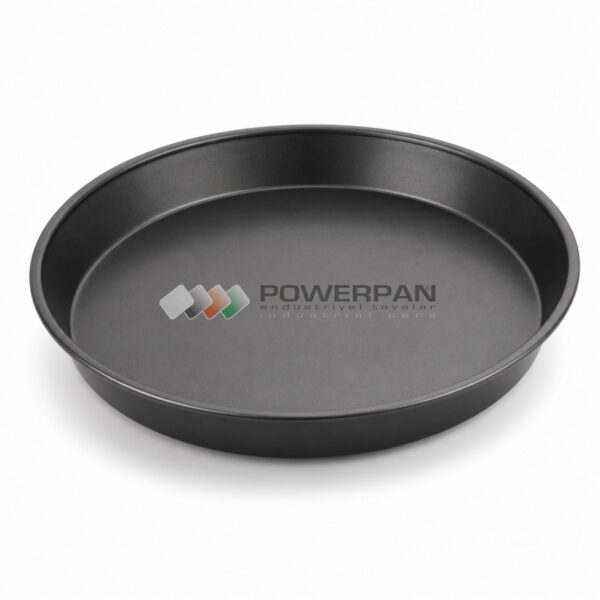
The round, shallow shape of a künefe pan allows kadayif layers to be spread across the base and a portion to be arranged in one vessel. However, a good künefe result does not depend only on pan diameter. Evaluate how the base sits on the cooking surface, layer distribution, the equipment used, and the removal or turning method together.
How is portion size determined?
The diameter selected for a single portion must match the facility’s serving quantity and presentation. Internal diameter and the outer rim dimension are not the same; clarify where the measurement is taken at the quotation stage. Pan depth also affects layer height and the space left at the rim. A larger diameter cannot automatically be described as suitable for more people; define the portion recipe separately.
During trials, observe whether kadayif spreads evenly across the base, whether cheese overflows at the edges, and the distribution of browning. If the center and perimeter of the base give different results, examine equipment heat distribution and the pan’s contact surface instead of focusing only on a coating change.
Separate suitability for stovetops and ovens
A pan’s suitability for oven use does not mean it can also be used over an open flame. The product instructions must clearly state whether the body, coating, and any handles are suitable for the selected heat source. The need to avoid empty heating and overheating of PTFE-coated equipment is also emphasized in BfR’s explanation of PTFE-coated cooking equipment.
- State the equipment type and heating method to be used.
- Obtain permitted temperatures and operating conditions in writing.
- Do not heat an empty pan to activate the coating.
- Do not run a trial before heat source compatibility is verified.
Turning and hot serving
If turning is planned, check the dimensions, rim fit, and secure grip of the receiving vessel or accessory in advance. Two pans that do not fit together can allow the product to slip or hot fat to spill. Do not use sharp tools against the coating during turning.
If serving directly in the pan is planned, suitable heat-resistant supports and a handling arrangement are needed to bring the hot vessel to the table. The cooking and serving vessels do not have to be the same. Remove syrup and fat residue using a manufacturer-approved method once the pan has cooled enough for safe cleaning. Remove products with lifting coating, a warped base, or rim damage from use. Specify cooking and serving methods in the order as well as a sample portion.