
Oven pan coating and recoating assessment
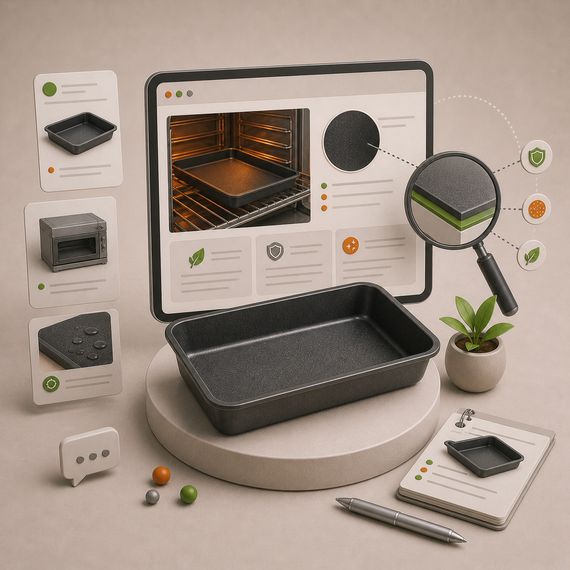
The need for oven pan coating often becomes apparent when products are difficult to release from the mold or more residue remains during cleaning. However, these signs should not be attributed solely to the coating. Changes in the recipe, baking conditions, greasing, and release method should also be examined. A request for Powerpan’s coating service should describe both the problem and the equipment’s current condition.
Inspect the body before applying a new surface
A coating does not straighten a bent metal body or restore a worn mold shape. If recoating is being considered, assess body flatness, edge damage, corrosion, and any connections. Deformation that causes the pan to catch on the line, rub during stacking, or interfere with product release is a different issue from surface treatment.
Flat trays, baguette channels, and deep sandwich bread molds have different contact areas. When sending photographs, show the corners, edges, and problem area as well as the overall view. Clearly specify which surfaces you want coated.
How is the coating system selected?
The product recipe, operating cycle, temperature exposure of the surface, and cleaning method are assessed together. A brand’s layer count or granite-like appearance does not, on its own, guarantee a longer service life. Operating limits should be based on the technical information for the specific system.
- The product being made and its release method.
- The baking process and conditions while empty pans are waiting.
- The cleaners and mechanical tools used.
- The condition of the old coating and recoating history.
- Compatibility with the line, racks, and stacking arrangement.
The scope of professional application
Old coating removal and surface preparation are planned according to the metal’s condition and the selected system. Application and heat treatment parameters are also system-specific. Recommending the same blasting pressure or curing conditions for every pan would be inappropriate. These processes should not be carried out using an improvised recoating method at the facility.
Labeling pans by shape and usage group makes them easier to track after recoating. Match photographs of the problem area to the equipment identifier; do not mix observations from different batches.
Return to production and follow-up
At delivery acceptance, assess the body and equipment compatibility as well as the surface appearance. Conduct the return-to-service trial using the normal recipe and release process. Follow the relevant maintenance instructions for cleaning and storage; prevent friction between surfaces and sudden cooling.
Remove pans showing peeling or detached coating fragments from production and notify the relevant quality team. Share the quantity, geometry, existing damage, and production schedule with Powerpan when requesting recoating; the turnaround time and scope of work should be established after inspection.