
Relating a coating to equipment hygiene
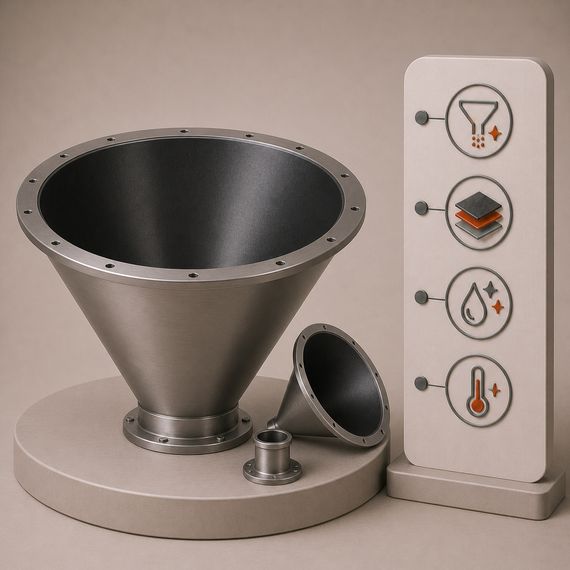
A hygienic coating assessment considers the finished surface together with the design, cleaning and use of the equipment. A coating does not make an inaccessible joint cleanable or establish that a cleaning procedure is effective. Surface condition and the ability to inspect and maintain the component remain important.
Identify the surfaces and residues
Describe the food or process material, areas where deposits collect and the existing cleaning routine. Include the tools, chemicals and operating conditions used. Photographs of corners, welds, recesses and damaged areas help define the assessment.
For used equipment, separate coating deterioration from corrosion, cracks or other structural defects. These need to be assessed before a new surface is specified.
Agree the checks for the intended use
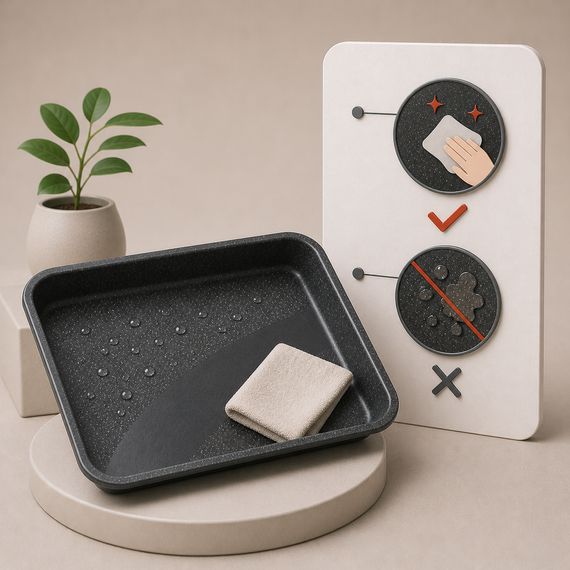
Confirm the coating’s cleaning restrictions and, where relevant, the documentation for food contact. Define how visible cleanliness, surface condition and any required hygiene checks will be evaluated. A visually clean surface and a validated cleaning result are not identical observations.
Supply component measurements, quantities and process information with the enquiry. The proposed system should fit the equipment and its care procedure, without a blanket promise that a coating alone will prevent contamination or replace routine inspection.